Stillness in Every Sip: Kyoto's Hidden Tea Houses
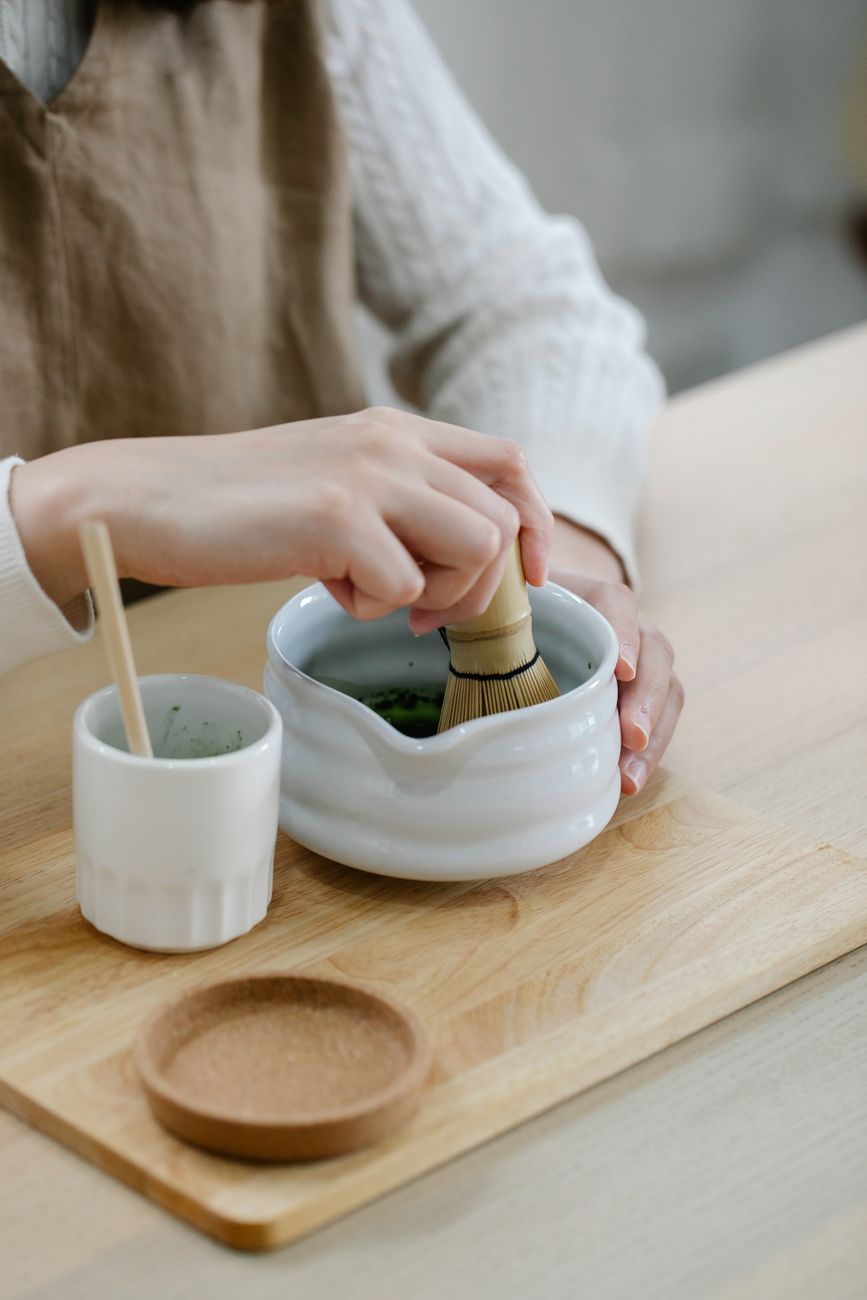
Beyond the crowded thoroughfares of Gion lies an older Kyoto: a city woven from cedar lattices, raked gravel courtyards, and tea rooms where silence is treated as a cherished ingredient.
1. The Architecture of Restraint
To enter a traditional chashitsu (tea room), one often must stoop through a nijiriguchi—a crawl door designed intentionally to make every visitor humble, equal, and stripped of status. Inside, the simplicity is deliberate: single seasonal flowers in unglazed vases, tatami mats brushed spotless, and an iron kama kettle whistling gently like wind through bamboo.
“Ichigo ichie: treasure every encounter, for it can never recur in the exact same manner.”
2. The Choreography of Tea
Watching a tea master whisk bright green matcha is an exercise in absolute intentionality. Every fold of the silk cloth, every tilt of the bamboo ladle (hishaku) has been refined over four centuries. The tea is rich, vegetal, with an initial sharp bitterness that gives way to a clean, lingering sweetness.
Etiquette for the Respectful Guest
- Dress simply: Remove jewelry and metal watches that could scratch delicate antique ceramic bowls.
- Appreciation: Rotate the tea bowl clockwise twice before drinking so your lips do not directly touch the bowl's painted face.
- Observation: After drinking, admire the craftsmanship and footring of the ceramic bowl (chawan).